When choosing a power backup solution, safety is often the most critical concern—especially for businesses operating in remote, high-risk, or sensitive environments. Diesel and gas generators are the two most common types of backup power systems, each with their own merits. But when it comes to safety, which one provides greater peace of mind?
This article explores whether diesel generators are indeed safer than gas generators, with a focus on real-world applications, operational risks, and current technology trends.
Safety in generators isn't just about the absence of fire hazards. It includes stability during operation, fuel handling risks, emission control, system monitoring, and resilience under fluctuating loads. Both diesel and gas generators perform the same fundamental role—converting fuel into electrical power—but the way they achieve this differs.
Diesel Generators
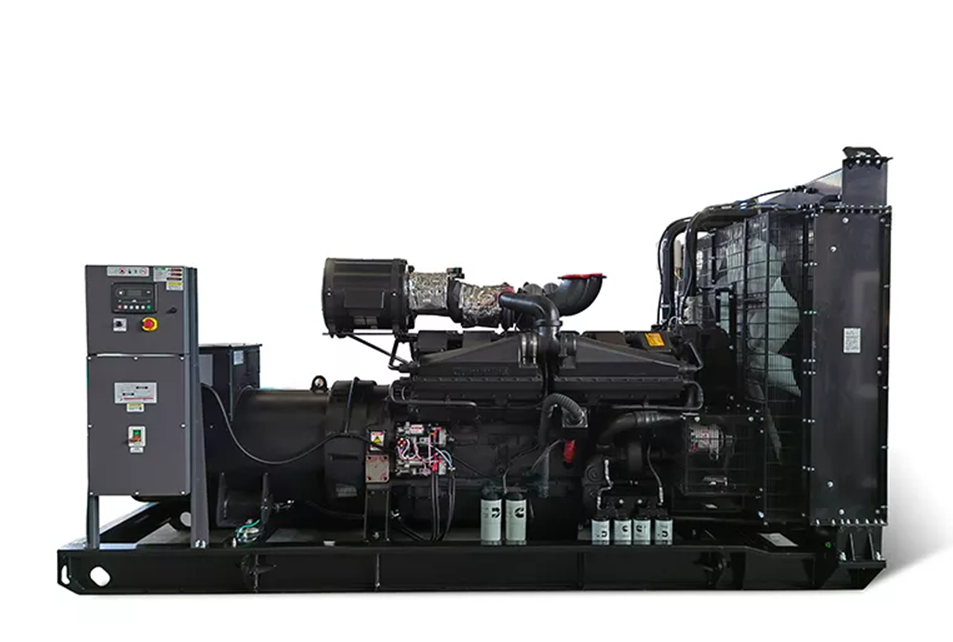
Diesel generators operate through compression ignition, which eliminates the need for spark plugs. The high flash point of diesel fuel makes it less prone to accidental ignition. These generators are widely used for heavy-duty, long-term operations, particularly in industries that demand durability and stability.
Gas Generators
Gas generators typically use natural gas or propane and rely on spark ignition. Although they offer clean-burning fuel alternatives and lower emissions, their setup often requires additional safety considerations, especially when dealing with pressurized fuel systems or piped gas infrastructure.
Key Applications Where Safety Is a Priority
The choice between diesel and gas generators often comes down to where and how the generator will be used. In the following industries, safety is a top priority:
Healthcare facilities where generator failure can jeopardize patient safety
Construction sites that operate in volatile or dusty environments
Remote industrial zones lacking consistent infrastructure
Data centers where load fluctuations can lead to overheating
Agricultural applications that require long run-times in outdoor conditions
In these settings, generator safety directly impacts operational continuity, equipment life, and sometimes human lives.
Product Comparison: Diesel vs. Gas Safety Considerations
To determine which generator type is safer, we must look beyond basic technical specs and examine real-world risk factors:
| Safety Factor | Diesel Generators | Gas Generators |
| Flammability | Low (high flash point of diesel fuel) | High (natural gas is highly combustible) |
| Fuel Storage | Stable and easy to store | Requires pressurized tanks or pipelines |
| Explosion Risk | Minimal with proper handling | Elevated in poorly ventilated environments |
| Operating Temperature | Performs better under high load and stress | Prone to overheating under prolonged use |
| Emission Control | Needs after-treatment for particulates | Produces less soot but risk of CO accumulation |
| Maintenance Risk | Less frequent servicing needed | Spark systems require more monitoring |
Overall, diesel generators tend to have a better safety profile, especially in rugged or critical-use environments.
Product Advantages: Why Diesel Is Often the Safer Choice
Safety in diesel generators comes from both their fuel characteristics and engineering simplicity. Diesel fuel is less flammable than gasoline or propane and does not require pressurized containment. Moreover, diesel engines are known for their durability under heavy load, reducing the risk of failure due to overheating or overuse.
Modern diesel generator models now come equipped with smart safety features, such as:
Automatic shutdown on oil pressure or temperature anomalies
Enclosures that include fire retardant insulation
Exhaust gas temperature sensors to prevent overheating
Vibration damping systems for structural stability
Integration with remote monitoring systems
These features enhance safety not only for operators but also for surrounding equipment and environments.
Innovation at Work: Kachai’s Commitment to Generator Safety
Hangzhou Kachai Mechanical and Electrical Equipment Co., Ltd. integrates multiple safety features into its diesel generator products. Designed for long-term industrial performance, Kachai’s generators are built with:
High-performance engines with real-time diagnostic capabilities
Enclosed systems to minimize heat and fire exposure
Smart fuel management systems to prevent leakage
Reinforced housings that reduce vibration and extend system life
For example, the KC Silent Diesel Generator series is equipped with advanced fault detection modules, making it suitable for use in healthcare, data processing centers, and infrastructure sites where both reliability and safety are paramount.
Maintenance Tips: Keeping Your Diesel Generator Safe
Even the safest generator requires proper maintenance to remain risk-free over time. Here are some practices to improve safety:
Routine Inspections: Check for signs of leakage, corrosion, or loose wiring
Filter Replacements: Replace air and fuel filters according to the manufacturer’s schedule
Exhaust Cleaning: Clear out soot to prevent pressure buildup and fire hazards
Coolant Checks: Ensure consistent engine temperature regulation
Load Testing: Run the generator periodically under full load to identify weak points
Consistent preventive maintenance is essential to extend the operational safety and life of your diesel generator.
FAQ
Is diesel fuel less dangerous than gas?
Yes, diesel has a significantly higher flash point than gasoline or natural gas, making it less likely to ignite under normal conditions.
Can diesel generators be used indoors?
Only with proper ventilation. Diesel engines produce carbon monoxide and require exhaust routing systems. Enclosed generators with ducted exhausts are often used in semi-indoor spaces.
Do diesel generators need fire suppression systems?
In high-risk environments, fire suppression systems are recommended, but many diesel generators already include safety features like thermal cutoffs and spark arrestors.
Are portable diesel generators safe for residential use?
Yes, when used outdoors or in ventilated spaces. Portable models with sound-insulated and weatherproof enclosures are especially well-suited for residential or temporary setups.
Looking at the Trends: Safety Meets Smart Technology
Safety in generator systems is evolving beyond traditional engineering. Integration with IoT platforms allows operators to receive alerts, view real-time diagnostics, and monitor emissions from remote locations. These innovations help detect safety issues before they escalate.
Hybrid energy solutions are also gaining traction. Many facilities now combine diesel generators with solar panels and battery systems. In such configurations, the diesel generator serves as a backup—operating only when renewable or stored energy is insufficient. This reduces fuel dependency and overall safety risk.
Noise pollution, another emerging safety topic, is being addressed with silent-type diesel generators. These models use multi-layer enclosures, low-RPM engines, and acoustic insulation to make generators less disruptive in populated or sensitive areas.
In most environments and applications, diesel generators offer a stronger safety profile than gas generators. From the lower flammability of diesel fuel to the robust construction of diesel engines, they are engineered to perform safely under stress. Although gas generators provide certain environmental benefits, their higher volatility and dependency on controlled storage make them more complex to manage safely.
If safety is a top priority—especially in mission-critical, remote, or industrial settings—diesel generators are often the smarter choice. Hangzhou Kachai Mechanical and Electrical Equipment Co., Ltd. enhances this safety promise with technically advanced, field-proven solutions that support clients across diverse industries.
To learn more about real-world applications and performance, visit: https://www.kachai.com/Application-Cases.html


