Diesel generators are indispensable in providing reliable power for homes, businesses, industrial facilities, and remote locations. Unlike grid electricity, diesel generators offer independence, high efficiency, and robust performance. However, like any mechanical system, their longevity and efficiency depend heavily on proper maintenance. Regular maintenance not only ensures optimal performance but also prevents unexpected breakdowns and costly repairs.
In this article, we explore the best practices, tips, and considerations for maintaining diesel generators to maximize their lifespan and reliability.
1. Understanding the Importance of Diesel Generator Maintenance
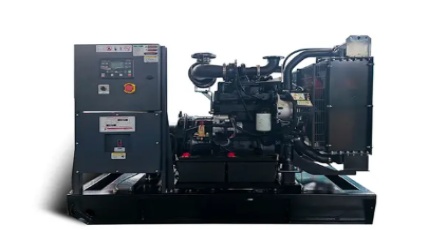
Diesel generators are complex machines composed of an engine, alternator, fuel system, cooling system, lubrication system, and control panel. Neglecting any of these components can lead to:
Reduced fuel efficiency
Overheating or engine damage
Unstable power output or electrical faults
Increased risk of failure during critical operations
Maintenance is not just about fixing problems—it’s about preventing issues before they occur. By adhering to a regular maintenance schedule, owners can ensure consistent performance, minimize downtime, and extend the operational life of their generator by several years.
2. Key Diesel Generator Maintenance Tasks
Proper maintenance of a diesel generator is essential for ensuring long-term reliability, optimal performance, and efficiency. Diesel generators, while robust, are subject to wear and tear like any other mechanical system. By performing routine checks, preventive actions, and scheduled servicing, owners can avoid unexpected breakdowns and costly repairs. Maintenance tasks are primarily focused on the engine, fuel system, cooling system, battery, air filters, and exhaust system. Let’s explore these in detail.
Engine Oil and Filter Checks
The engine is the heart of a diesel generator, and lubrication plays a critical role in its health. Diesel engines require clean, high-quality engine oil to lubricate moving components, reduce friction, and prevent wear. Neglecting oil maintenance is one of the leading causes of generator engine failure. Key maintenance tasks include:
Regular Oil Changes: Follow the manufacturer’s recommended intervals, which generally range from every 100–250 hours of operation or at least once annually. Using the correct grade of oil ensures optimal viscosity and lubrication even under high temperatures and heavy loads.
Oil Level Inspection: Before starting the generator, always check the oil level using the dipstick. Low oil levels can cause overheating, excessive friction, and irreversible engine damage. Top up as needed with manufacturer-approved oil.
Oil Filter Replacement: Replace the oil filter with every oil change. Filters trap contaminants like dirt, metal particles, and combustion by-products, preventing them from circulating through the engine. Neglecting this step can lead to clogged passages and reduced engine efficiency.
Regular attention to the oil and filter not only prolongs engine life but also improves fuel efficiency and reduces operational costs.
Fuel System Maintenance
The fuel system ensures the delivery of clean diesel to the engine. Contaminated fuel or clogged components can lead to poor performance, injector damage, and engine failure. Key practices include:
Use Clean Fuel: Always source high-quality diesel fuel. Contaminated or aged fuel can contain water, sediments, or microbial growth that can block fuel injectors and filters.
Fuel Filter Replacement: Fuel filters should be inspected regularly and replaced per the manufacturer’s schedule. Clean filters ensure smooth fuel flow and proper combustion.
Drain Water Separators: Diesel fuel often contains water, which can cause corrosion and injector issues. Regularly drain water separators to prevent these problems.
Fuel Stabilization: If the generator is used infrequently, add a fuel stabilizer to prevent oxidation and microbial growth within the tank. This ensures fuel remains in optimal condition for reliable starts.
Maintaining the fuel system is essential to avoid downtime and preserve the engine’s integrity.
Cooling System Maintenance
A diesel engine generates significant heat during operation, making the cooling system critical. Failure to maintain this system can lead to overheating, warped components, and expensive repairs. Best practices include:
Coolant Levels: Check and maintain proper coolant levels using the recommended type. Low coolant can cause overheating and engine damage.
Radiator Cleaning: Inspect the radiator for dirt, dust, or debris, and clean it to ensure proper airflow.
Hose Inspection: Check hoses for cracks, leaks, or brittleness. Replace any damaged hoses to prevent coolant loss.
Coolant Flush: Periodically flush the system to remove rust, scale, and other contaminants that may reduce cooling efficiency.
An efficient cooling system allows the generator to run safely at high loads and in warm climates.
Battery Maintenance
The generator battery is critical for engine starting. Poor battery care can prevent the generator from starting, especially during emergencies. Key maintenance tasks include:
Battery Charge Levels: Check charge levels regularly, particularly if the generator is seldom used. Use a battery charger if needed.
Terminal Cleaning: Clean battery terminals and connections to remove corrosion, which can impede electrical flow.
Electrolyte Levels: For lead-acid batteries, maintain the correct electrolyte levels and refill with distilled water as needed.
Battery Testing: Periodically perform load tests to ensure the battery delivers adequate starting power.
A fully maintained battery ensures reliable and consistent engine starts whenever needed.
Air Filter Maintenance
Clean air is essential for optimal combustion in diesel engines. Dirty or clogged air filters can reduce engine efficiency and increase fuel consumption. Maintenance includes:
Filter Inspection: Check air filters for dust and debris regularly.
Replacement Schedule: Replace filters based on manufacturer recommendations or when visibly dirty.
Sealing Checks: Ensure filters are properly sealed to prevent unfiltered air from entering the engine, which can cause internal wear.
Maintaining the air filter improves performance, reduces fuel consumption, and protects internal engine components.
Exhaust System Checks
The exhaust system ensures safe emission of combustion gases, reduces noise, and prevents carbon buildup. Proper maintenance involves:
Inspect Mufflers and Pipes: Look for leaks, corrosion, or blockages and repair or replace as needed.
Remove Soot Accumulation: Clean excess soot from the exhaust to maintain airflow.
Check Emission Levels: Ensure that emission control devices function correctly, particularly in areas with regulatory requirements.
A well-maintained exhaust system protects both the environment and the generator.
3. Load Testing and Exercise
Diesel generators are designed to operate under load. Running them only idle for long periods can lead to carbon buildup, fuel system issues, and reduced reliability. Load testing and regular operation keep the generator healthy.
Monthly Exercise: Run the generator at least once a month under load. This circulates engine fluids, checks functionality, and identifies potential issues early.
Simulated Load Test: Apply a partial load using resistive loads or connected equipment to simulate real operating conditions. This ensures the generator can handle the power demands it may encounter during actual use.
Observe Performance: Monitor for unusual vibrations, noise, smoke, or fluctuating voltage. Any irregularities should be addressed immediately to prevent further damage.
Record Keeping: Maintain a log of load testing results, operation hours, and maintenance activities. This helps track performance trends and anticipate service needs.
Regular load testing prevents stagnation, maintains combustion efficiency, and ensures the generator is ready for emergency power situations.
4. Cleaning and Environmental Considerations
The environment in which a diesel generator operates significantly impacts its maintenance needs:
Keep the Area Clean: Dust, dirt, and debris can accumulate on the generator and cooling system. Regular cleaning prevents overheating and wear.
Protect from Moisture: Ensure the generator is housed in a well-ventilated, dry area to avoid corrosion and electrical short circuits.
Inspect Mountings and Vibrations: Check for loose bolts or excessive vibration that could damage the frame or engine components.
A clean and well-protected generator has a longer operational life.
5. Scheduling Professional Servicing
While many maintenance tasks can be handled by the owner, professional servicing is essential for thorough inspection and repairs:
Annual Service: Hire certified technicians to inspect engine components, alternators, and control panels.
Diagnostic Checks: Professionals can perform advanced diagnostics, including fuel injection calibration, battery load testing, and oil analysis.
Parts Replacement: Technicians ensure that worn-out parts are replaced with OEM-approved components, maintaining generator reliability.
Professional servicing reduces the risk of major failures and ensures warranty compliance.
6. Tips for Long-Term Diesel Generator Longevity
Beyond routine maintenance, the following practices can maximize your generator’s lifespan:
Follow Manufacturer Guidelines: Adhering to the recommended service schedule is crucial.
Use Quality Parts and Fluids: Genuine parts and manufacturer-approved oils and filters improve performance and reliability.
Monitor Operating Hours: Keep a log of generator run hours, maintenance, and repairs for reference.
Load Management: Avoid consistently running the generator at maximum capacity; operating at 70–80% of rated load is optimal.
Environmental Monitoring: Protect the generator from extreme temperatures, humidity, and dust to prevent premature wear.
These steps help reduce unexpected downtime and extend the life of your diesel generator.
7. Conclusion
Proper maintenance is the key to ensuring that diesel generators provide reliable, efficient, and long-lasting power. From engine oil checks and fuel system care to battery management, load testing, and professional servicing, each step plays a critical role in generator health. By implementing a comprehensive maintenance plan, generator owners can minimize repair costs, optimize fuel efficiency, and prevent costly downtime during critical operations.
For businesses, industrial facilities, and homeowners relying on diesel generators, investing in routine maintenance is a smart way to protect both your equipment and your operations.
To explore high-quality diesel generators and access expert guidance on maintenance practices, visit www.kachai.com. Their experienced team can provide reliable solutions, technical support, and customized recommendations to ensure your generator operates at peak performance for years to come.


