In our modern world, uninterrupted power supply is essential. Hospitals, data centers, emergency response centers, water treatment plants, and other critical infrastructure cannot afford downtime. Power outages caused by natural disasters, grid failures, or unexpected surges can have catastrophic consequences. In such situations, diesel generators step in as reliable backup power sources, ensuring continuity of operations and safeguarding human lives and vital services.
1. Understanding Diesel Generators
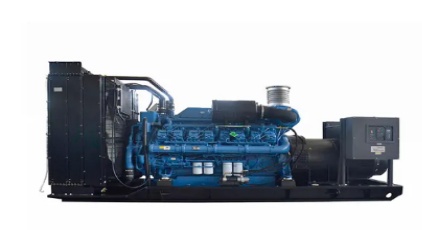
A diesel generator combines a diesel engine with an electric generator (alternator) to produce electrical energy. Unlike gas or solar generators, diesel generators are designed for durability, high efficiency, and long-term reliability. They can deliver a wide range of power outputs, from small units suitable for individual buildings to large-scale generators capable of supporting entire facilities.
Components of a Diesel Generator
Key components include:
Diesel Engine: Converts chemical energy from fuel into mechanical energy. Known for robustness and longevity.
Alternator: Converts mechanical energy into electrical energy for use in infrastructure systems.
Fuel System: Ensures a steady supply of diesel to the engine, including tanks, pumps, and filters.
Control Panel: Monitors performance, regulates voltage and frequency, and initiates automatic start/stop functions.
Cooling and Exhaust Systems: Maintain engine temperature and safely expel combustion byproducts.
Battery and Starting System: Enables reliable engine ignition during emergencies.
Together, these components provide a dependable, self-contained power solution capable of operating under challenging conditions.
2. The Role of Diesel Generators in Critical Infrastructure
Critical infrastructure encompasses the essential systems and facilities that society depends on, including healthcare, transportation, communications, water supply, and financial services. Any disruption to these systems can have severe consequences, ranging from economic losses to threats to human life. During power outages, whether caused by natural disasters, technical failures, or unexpected surges, diesel generators serve as a reliable lifeline. Their ability to provide uninterrupted electricity ensures that vital operations continue seamlessly, even in challenging conditions. Let’s explore how diesel generators support various critical infrastructure sectors.
Hospitals and Healthcare Facilities
Hospitals are among the most power-sensitive facilities. Medical equipment such as ventilators, infusion pumps, incubators, surgical lighting, imaging machines, and patient monitoring systems rely on continuous electricity. Even a brief power interruption can compromise patient safety and treatment outcomes. Diesel generators provide immediate backup power, maintaining operational continuity and ensuring:
Continuous patient care: Intensive Care Units (ICUs), emergency rooms, and neonatal units remain fully functional. Life-saving devices never lose power, which is especially critical for patients dependent on ventilators or other respiratory support.
Uninterrupted medical procedures: Surgeries, diagnostic imaging, and other time-sensitive procedures can proceed without delay or risk of equipment malfunction.
Lighting and HVAC functionality: Proper lighting and climate control are essential not only for patient comfort but also for the correct operation of certain medical equipment and infection control protocols.
Modern hospitals often employ multiple diesel generators equipped with automatic transfer switches (ATS). The ATS detects power outages and instantly switches to generator power without requiring manual intervention. Some facilities also maintain redundant systems, ensuring that if one generator fails, others can seamlessly take over.
Data Centers and Telecommunication Hubs
Data centers and telecommunication hubs form the backbone of our digital economy. Servers, storage arrays, and networking equipment require constant power, and even minor interruptions can cause data loss, service outages, and financial damage. Diesel generators safeguard these operations by:
Providing high-capacity backup power: Generators ensure that servers and network equipment remain operational, preventing downtime that could impact business operations and end-users.
Enabling uninterrupted communication services: Telecommunication systems, internet services, and emergency response networks rely on continuous electricity to function, particularly during disasters when communication is most critical.
Maintaining redundancy systems: Many data centers employ multiple generators in tandem with uninterruptible power supplies (UPS) to allow seamless switchovers during power interruptions, ensuring zero downtime for critical applications.
Water Treatment and Supply Systems
Municipal water treatment plants, sewage systems, and pumping stations are highly electricity-dependent. Power interruptions can halt the supply of clean water, damage equipment, and increase contamination risks. Diesel generators provide:
Continuous water supply: Essential for hospitals, fire services, residential households, and industries.
Operational integrity: Maintaining filtration, chemical dosing, and pumping processes ensures safe and potable water.
Pump station functionality: Generators support distribution networks, keeping water pressure stable and delivering water efficiently across cities and rural areas.
Emergency Response and Public Safety
Police departments, fire stations, and disaster management centers must remain operational during crises. Diesel generators power critical emergency systems, including:
Communication systems: Radios, dispatch consoles, and alert networks remain functional, facilitating rapid response.
Lighting and equipment: Emergency lighting, portable devices, and electronic rescue tools continue to operate during blackouts.
Operational coordination: Generators enable disaster response teams to organize relief efforts, deploy personnel, and manage resources efficiently.
Industrial and Manufacturing Facilities
Industries producing essential goods, such as pharmaceuticals, food, chemicals, and fuel, cannot tolerate unplanned downtime. Diesel generators allow:
Continuous production: Maintaining assembly lines and processing operations even during grid failures.
Prevention of spoilage and financial loss: Perishable goods and temperature-sensitive materials remain protected.
Supply chain continuity: Critical materials and products continue to reach distribution points without interruption.
In summary, diesel generators provide reliable, scalable, and rapid-response power solutions across multiple sectors of critical infrastructure. Their role ensures that healthcare, communication, water, emergency response, and industrial operations can withstand power disruptions, safeguarding human life, public safety, and economic stability.
3. Advantages of Diesel Generators for Emergency Power
Diesel generators are particularly suited for critical infrastructure due to several key advantages:
Reliability
Diesel engines are robust, capable of operating for thousands of hours under heavy load. Unlike renewable or battery-based alternatives, they are not dependent on weather conditions and can provide consistent power during extended outages.
Rapid Start-Up
Modern diesel generators with automatic transfer switches can start within seconds of a power outage, minimizing downtime and protecting sensitive equipment from voltage fluctuations or interruptions.
High Energy Density
Diesel fuel provides high energy content per unit volume, allowing generators to operate longer between refueling compared to gasoline units. This is crucial during prolonged emergencies or natural disasters when fuel access may be limited.
Scalability
Diesel generators are available in a wide range of sizes, from 9 kVA small units for single-building backup to 1000 kVA or larger for industrial or municipal applications. Facilities can scale their generator capacity according to specific energy requirements.
Durability in Harsh Environments
Diesel generators can withstand extreme temperatures, humidity, and dusty environments, making them ideal for outdoor installations, remote sites, or disaster-prone areas.
4. Planning and Integration for Emergency Preparedness
Proper deployment of diesel generators requires planning and integration with facility systems.
Load Assessment
Facilities must assess critical loads to determine the appropriate generator size. Essential equipment should be prioritized to avoid overloading and ensure reliable operation.
Automatic Transfer Switch (ATS)
An ATS automatically switches the load from the main power supply to the generator during outages. This eliminates the need for manual intervention and ensures instantaneous power delivery to critical systems.
Fuel Management
Maintaining an adequate fuel supply is crucial. On-site diesel storage tanks, regular fuel quality monitoring, and rotation practices ensure that generators remain operational during extended emergencies.
Regular Maintenance and Testing
Diesel generators require periodic inspections, oil changes, filter replacements, and load testing. Routine maintenance prevents unexpected failures and extends the generator’s lifespan.
Compliance and Safety
Generators must adhere to local regulations, emission standards, and safety codes. Proper ventilation, exhaust routing, and sound dampening are essential for safe operation.
5. Case Studies of Diesel Generators in Emergencies
Hurricane Response
During hurricanes, widespread power outages affect hospitals, shelters, and communication systems. Diesel generators provide reliable energy to emergency facilities, ensuring continuity of life-saving services and community support.
Earthquake Recovery
In earthquake-affected regions, the main grid may be damaged. Diesel generators enable water treatment, emergency lighting, and communication infrastructure to remain operational, aiding recovery efforts.
Grid Failure in Industrial Zones
Unexpected grid failures in industrial zones can halt production and risk equipment damage. Diesel generators maintain operations, reducing economic losses and ensuring critical production continues uninterrupted.
6. Choosing the Right Diesel Generator Supplier
Selecting a trusted supplier is vital to ensure reliable backup power:
Experience and Reputation: Look for suppliers with a track record of providing generators for critical infrastructure.
Product Range: A variety of generator sizes and features ensures you can match your facility’s needs.
Support Services: After-sales maintenance, technical support, and fuel management guidance are crucial.
Customization: Ability to provide tailored solutions for specific applications, including automatic transfer switches, noise reduction, and remote monitoring.
Companies like www.kachai.com specialize in diesel generator solutions for critical infrastructure, offering expertise, quality products, and comprehensive support.
Conclusion
Diesel generators are more than just backup power units; they are lifelines for critical infrastructure during emergencies. Their reliability, rapid response, scalability, and resilience make them indispensable in healthcare, communication, water treatment, and industrial applications. Proper planning, maintenance, and supplier selection ensure that facilities remain operational when power is interrupted, protecting lives, property, and essential services. Investing in a high-quality diesel generator solution ensures peace of mind, preparedness, and continuous functionality in the face of unpredictable power challenges.
For more information on dependable diesel generators and solutions for your facility, you can visit www.kachai.com to explore their offerings and technical support.


