In today’s world, reliable power supply is essential for homes, businesses, and industrial operations. While multiple types of generators exist, diesel generators have consistently proven to be a preferred choice for many applications. Compared to gasoline or natural gas alternatives, diesel generators offer significant advantages in efficiency, durability, and overall cost-effectiveness.
1. Understanding Diesel Generators
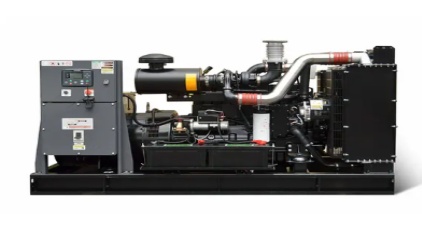
A diesel generator is an integrated system that converts chemical energy from diesel fuel into electrical energy. It consists of a diesel engine coupled with an alternator. When the engine combusts diesel fuel, it drives the alternator, producing electricity that can be used to power various electrical loads. Diesel generators are available in a wide range of capacities—from small portable units for home use to large industrial machines capable of powering entire factories or hospitals.
The primary alternatives to diesel generators are gasoline and natural gas generators. Gasoline generators are typically smaller, portable, and suitable for light-duty applications, while natural gas generators are often used in environments where a steady fuel supply is available, such as urban areas with pipeline infrastructure.
2. Key Advantages of Diesel Generators
Diesel generators have long been recognized as a reliable and robust source of electrical power, especially for industrial, commercial, and large-scale residential applications. Compared to gasoline or natural gas alternatives, diesel generators offer multiple advantages that make them particularly suitable for long-term use and high-demand environments. The following sections explore these benefits in detail.
Fuel Efficiency and Operational Cost
One of the most significant advantages of diesel generators is their superior fuel efficiency. Diesel fuel has a higher energy density than gasoline, meaning that it contains more energy per unit volume. In addition, diesel engines operate on a compression-ignition principle, which achieves greater thermodynamic efficiency than the spark-ignition process used in gasoline engines. The result is that diesel generators consume less fuel to produce the same amount of electricity, translating into lower operational costs over time.
For industrial operations that run generators continuously or for extended periods—such as factories, data centers, or hospitals—this efficiency has substantial financial implications. For example, a factory running a 500 kW diesel generator for eight hours daily will use significantly less fuel than a comparable gasoline generator, saving thousands of dollars per year. Over the lifespan of the generator, these savings can offset the initial investment in a diesel-powered system, making it a more economical choice for continuous power applications.
Durability and Longevity
Diesel engines are inherently more robust than gasoline engines due to their design and the demands of compression ignition. They are built to handle high compression ratios, heavy loads, and continuous operation over extended periods. This robustness translates into a longer operational lifespan for diesel generators compared to gasoline or natural gas models.
Well-maintained diesel generators can reliably operate for tens of thousands of hours, often exceeding 20 years in commercial or industrial environments. In contrast, gasoline generators typically have a shorter lifespan due to less durable components, higher wear rates, and sensitivity to fuel quality. Natural gas generators also tend to require more specialized maintenance, especially in regions where the gas supply may fluctuate.
Higher Torque and Load Handling
Diesel engines are known for producing higher torque at lower RPMs compared to gasoline engines. This characteristic is critical when generators need to handle sudden or heavy electrical loads. For example, a factory may experience peak demand when multiple machines start simultaneously, or a hospital may require additional power when critical medical equipment operates concurrently. Diesel generators are capable of managing these fluctuations without stalling or experiencing voltage drops, which can occur with less powerful gasoline units.
The higher torque also improves the generator’s resilience under adverse operating conditions, including extreme temperatures or long-duration use. Industries that rely on stable and consistent power delivery—such as data centers, healthcare facilities, and heavy manufacturing plants—benefit from diesel generators’ ability to maintain operational integrity under variable load conditions. This reliability ensures that essential systems remain functional, protecting sensitive equipment and minimizing the risk of operational downtime.
Safety and Reduced Fire Risk
Safety is another key advantage of diesel generators. Diesel fuel is significantly less flammable than gasoline, with a higher flashpoint, reducing the risk of accidental fires or explosions. Gasoline vapors are highly volatile and can ignite easily, making gasoline-powered generators riskier, especially in industrial or enclosed environments.
For large-scale operations where fuel storage and handling are critical, diesel generators provide a safer alternative. Facilities storing large quantities of fuel for emergency backup or continuous operation can do so with reduced fire hazards. Additionally, diesel engines produce fewer combustible vapors than gasoline, further improving safety for operators and surrounding personnel.
Availability and Storage Advantages
Diesel fuel is widely available across the globe, even in remote areas, making diesel generators a practical solution for locations without reliable access to natural gas pipelines. Unlike gasoline, diesel has a longer shelf life and is less prone to degradation over time. This stability makes diesel generators ideal for backup power applications where fuel may need to be stored for extended periods before use, such as in hospitals, data centers, and disaster-prone regions.
Environmental Considerations
Historically, diesel generators were criticized for higher emissions compared to gasoline or natural gas units. However, modern diesel technology has significantly improved environmental performance. Advanced features such as turbocharging, electronic fuel injection, and exhaust after-treatment systems—including particulate filters and selective catalytic reduction (SCR)—have dramatically reduced particulate matter (PM) and nitrogen oxide (NOx) emissions.
While natural gas generators produce fewer carbon emissions, modern diesel generators achieve a balance between efficiency and environmental compliance. Many units now meet stringent international emissions standards, making them a viable choice for businesses seeking both performance and environmental responsibility. Additionally, lower fuel consumption directly correlates with reduced greenhouse gas emissions, further enhancing the eco-friendly profile of diesel-powered systems.
3. Comparing Diesel Generators with Gasoline and Natural Gas Alternatives
Gasoline Generators
Gasoline generators are lightweight, portable, and relatively inexpensive, making them ideal for short-term or small-scale applications such as home backup systems, outdoor events, or mobile operations. Their engines start easily and operate quietly, appealing to residential users. However, gasoline generators have notable drawbacks for industrial or critical infrastructure use. They are less fuel-efficient, consume fuel faster, and generally require more frequent maintenance due to faster engine wear and lower durability. Gasoline also has a shorter shelf life, which can make fuel storage challenging for emergency use. Moreover, gasoline engines produce higher carbon emissions and pose greater fire and explosion risks because of the fuel’s volatility. For these reasons, gasoline generators are best suited for light-duty or temporary power applications rather than continuous or large-scale operations.
Natural Gas Generators
Natural gas generators are gaining popularity for their cleaner combustion and lower emissions. They are an excellent choice in urban areas or facilities with existing gas pipeline access, offering the advantage of uninterrupted fuel supply without storage concerns. However, natural gas has a lower energy density than diesel, so it takes a larger volume to produce equivalent power. These generators may also struggle with fluctuating loads and often require specialized maintenance and infrastructure. In comparison, diesel generators provide superior reliability, higher torque, and consistent performance under demanding or variable load conditions, making them the preferred option for critical, remote, and industrial applications.
4. Applications Where Diesel Generators Excel
Diesel generators are preferred across multiple sectors due to their robustness and reliability:
Industrial Facilities: Factories, warehouses, and large-scale manufacturing units require continuous and stable power for heavy machinery. Diesel generators meet these demands efficiently.
Hospitals and Healthcare Centers: Critical operations like surgery, refrigeration of medicines, and life-support systems rely on uninterrupted power, making diesel generators a dependable backup solution.
Construction Sites: Portable diesel generators provide electricity in remote areas without grid access, powering tools, lighting, and equipment.
Data Centers and IT Infrastructure: Ensuring zero downtime is crucial. Diesel generators offer reliable backup power during outages.
Commercial Buildings: Office complexes and malls use diesel generators to maintain essential systems, elevators, and lighting during blackouts.
5. Maintenance and Longevity Considerations
While diesel generators are durable, proper maintenance is essential for optimal performance:
Regular Oil Changes: Diesel engines require periodic oil and filter replacements to reduce wear.
Fuel Quality Management: Using clean diesel prevents injector clogging and combustion issues.
Battery and Electrical System Checks: Ensures reliable startup during emergencies.
Cooling System Maintenance: Prevents overheating in prolonged operations.
Load Testing: Periodic testing under actual load conditions ensures operational readiness.
Proper maintenance ensures diesel generators continue to deliver reliable power for decades, providing a strong return on investment.
6. Conclusion
Diesel generators offer unmatched advantages over gasoline and natural gas alternatives, including fuel efficiency, durability, high torque, safety, and reliable load handling. Their versatility across industrial, commercial, and residential applications makes them a preferred choice for both primary and backup power solutions. Modern technology improvements have also addressed environmental concerns, making diesel generators a sustainable and economically viable option.
For businesses and individuals seeking dependable power solutions, exploring diesel generator options can provide both peace of mind and cost savings. To learn more about high-quality diesel generators, advanced models, and maintenance solutions, visit www.kachai.com. You can also reach out directly to www.kachai.com for expert guidance and personalized recommendations.


